

 See My Latest Article on HelloNation
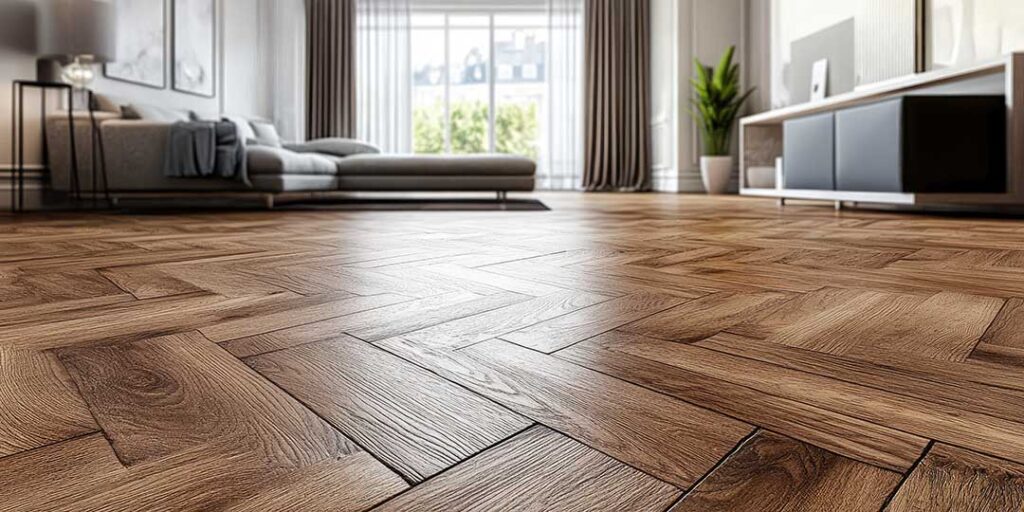
Renovating a floor does not always require a major budget. For households in Salem, NH, the most practical choice often depends on more than the purchase price: moisture exposure, winter maintenance, subfloor condition, room usage, and how long the flooring is expected to last all affect the true cost.
A lower-cost floor can perform well when it is installed in the right room and maintained properly. The goal is not simply to find the cheapest material, but to avoid paying for features that are unnecessary or choosing a product that will need early replacement.
Which flooring materials are usually the most budget-friendly?
Sheet vinyl, luxury vinyl plank, laminate, and basic carpet are often among the more affordable flooring options for residential renovations. Each has different strengths, so the least expensive material is not automatically the best value.
- Sheet vinyl can be economical in kitchens, laundry areas, bathrooms, and entry spaces because it has few seams and is easy to clean.
- Luxury vinyl plank or tile offers many visual styles and can work well in busy rooms, especially where simple maintenance is a priority.
- Laminate is often cost-effective for bedrooms, hallways, and living areas, although it requires more caution around standing water.
- Carpet may provide a lower initial cost in bedrooms and finished lower-level spaces, while also adding warmth and sound absorption.
- Refinished existing wood can be less expensive than installing new hardwood when the current floor is structurally sound.
Prices vary based on thickness, wear layer, underlayment, installation method, trim, transitions, and preparation work. Comparing only the advertised material price can produce an inaccurate renovation budget.
Is vinyl flooring a good low-cost choice?
Vinyl is often a practical budget option because it handles routine spills well, cleans easily, and is available in both sheet and plank forms. Modern vinyl products can resemble wood or stone without requiring the same level of care as some natural materials.
Sheet vinyl is particularly useful where water resistance and fewer seams matter. Plank-style vinyl can be easier to replace in a small damaged area, although color and pattern matching may become difficult if the product is discontinued.
For a renovation, check:
- Whether the subfloor is smooth and level
- Whether the product is designed for the room’s moisture conditions
- Whether transitions will be needed at doorways
- Whether furniture and appliances require special clearance
- Whether the installation method allows individual planks to be replaced
Vinyl is not a solution for a damp or unstable subfloor. Moisture below the flooring can cause odors, adhesive problems, or subfloor damage regardless of the surface material.
When does laminate make sense?
Laminate can provide the appearance of wood at a lower cost than many hardwood products. It is commonly considered for living rooms, dining areas, bedrooms, and hallways where spills can be cleaned promptly.
The main limitation is moisture. Although some newer laminate products have improved water resistance, not every product is suitable for bathrooms, laundry areas, mudrooms, or spaces where wet boots and snow are regularly brought indoors.
In the local winter climate, an entry area may receive salt, grit, melting snow, and moisture. Laminate can still be used nearby, but a protective mat or a more moisture-tolerant surface at the entrance can reduce wear. The transition between materials should be secure and easy to clean.
A laminate floor also needs a reasonably flat subfloor. Small irregularities may cause movement, clicking sounds, or separated joints over time.
Can existing floors be repaired instead of replaced?
Often, yes. Repairing or refinishing an existing floor may offer the strongest value when the underlying material is in usable condition.
Possible lower-cost alternatives to full replacement include:
- Refinishing worn hardwood
- Replacing only badly damaged boards or planks
- Repairing loose sections
- Replacing carpet in one room rather than throughout the home
- Installing a new floor over an approved existing surface
- Cleaning and sealing a concrete floor in a suitable finished space
However, covering an old floor does not correct moisture damage, structural movement, mold, or an uneven subfloor. A floor that feels soft, slopes noticeably, smells musty, or shows repeated moisture staining should be investigated before new material is installed.
Older homes may also contain several layers of flooring. Removing them can reveal additional preparation needs, including damaged underlayment or outdated adhesives. If a renovation involves suspect materials, especially in an older property, testing and appropriate safety procedures may be necessary.
How can homeowners reduce installation costs?
Preparation and layout decisions often affect the final budget as much as the flooring itself. A simple room shape with minimal transitions generally requires less labor than a project involving closets, stairs, built-ins, or multiple floor heights.
Costs may be reduced by:
- Choosing a flooring format that fits the room with less waste
- Keeping the same flooring across connected rooms when practical
- Selecting standard plank widths and common product sizes
- Removing furniture and personal items before work begins
- Confirming whether existing trim can be reused
- Addressing minor subfloor repairs before installation day
- Avoiding unnecessary changes to room layout or door locations

Material waste should still be planned for. Ordering too little flooring can create delays or result in mismatched replacement material later. The required extra amount depends on the product, room shape, installation pattern, and manufacturer instructions.
Which flooring is most practical for lower levels and entry areas?
Lower levels and entry spaces deserve special attention because they may experience more moisture and temperature variation than upper rooms. A budget-friendly material should be selected only after checking the concrete, subfloor, drainage conditions, and history of dampness.
For a dry finished lower level, vinyl plank, sheet vinyl, or carpet designed for the setting may be considered. Carpet can make a room feel warmer, but it may be less forgiving if water enters the space. Vinyl is easier to clean after minor moisture events, but it cannot prevent water from reaching the subfloor or concrete.
At entrances, a durable surface near the door can protect more delicate flooring farther inside. A properly sized mat, regular removal of grit, and prompt drying of tracked-in moisture can extend the life of many floors.
What flooring mistakes make a renovation more expensive?
The most costly mistakes usually involve choosing a material without considering the room’s conditions or skipping preparation work.
Common examples include:
- Installing moisture-sensitive flooring in an area with recurring dampness
- Covering an uneven subfloor instead of correcting it
- Matching a new floor to an old one without checking thickness
- Forgetting transitions between different floor surfaces
- Choosing a very thin product for a high-traffic area
- Ignoring clearance around doors, appliances, or stairs
- Selecting a discontinued style that will be difficult to repair later
- Assuming every “waterproof” label applies to the entire flooring system
A product may resist surface water while the subfloor, seams, edges, or adhesive remain vulnerable. Ask what the warranty covers, what preparation is required, and which cleaning products are permitted.
How should homeowners compare flooring value?
A useful comparison includes the full installed cost and expected maintenance, not just the cost per square foot. Consider the room’s traffic, moisture exposure, cleaning demands, repairability, comfort, and expected service life.
For example, a lower-priced floor that needs replacement after a few years may cost more over time than a moderately priced product that remains serviceable longer. On the other hand, a premium material may provide little practical benefit in a rarely used room.
For Salem households planning a phased renovation, it can make sense to prioritize rooms with the greatest wear or moisture exposure first. Entry areas, kitchens, hallways, and frequently used living spaces often show the effects of seasonal grit and daily traffic sooner than guest rooms.
The most reliable budget plan matches each room with an appropriate material, leaves room for subfloor repairs, and avoids paying for performance characteristics that the space does not need.