

 See My Latest Article on HelloNation
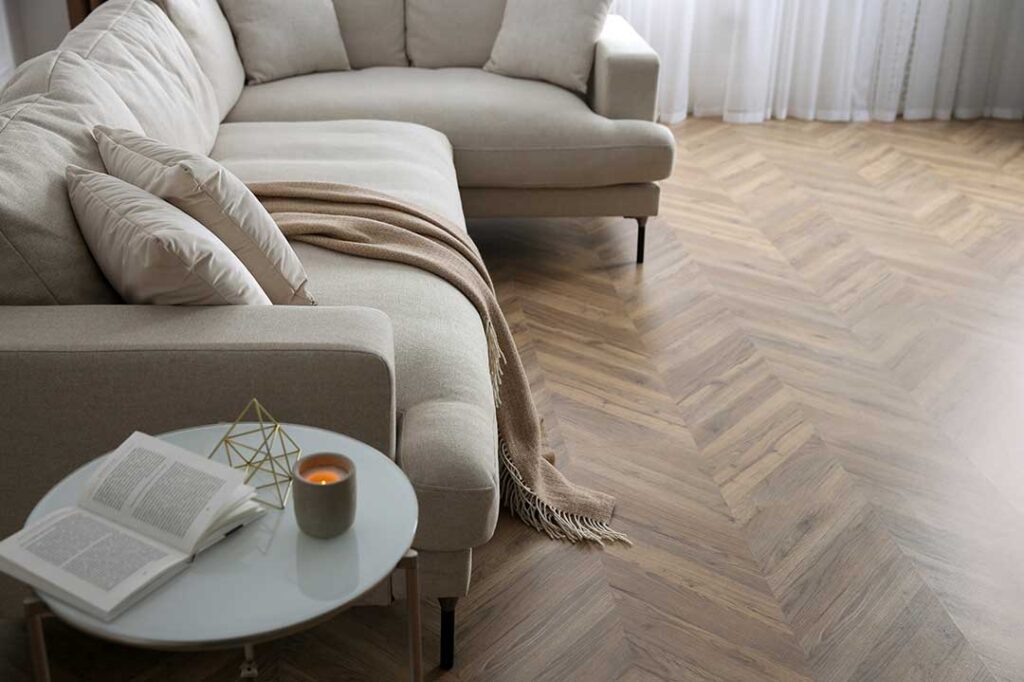
Kitchens have demanding flooring needs. The surface must handle spilled water, dropped utensils, food debris, frequent foot traffic, and repeated cleaning without becoming difficult to maintain. For households in Salem, NH, seasonal moisture, winter footwear, and the mix of older and newer housing can make durability and installation details just as important as appearance.
The best kitchen flooring depends on how the room is used, the condition of the subfloor, household priorities, and the amount of maintenance a homeowner is willing to accept. There is no single material that is right for every kitchen, but several options consistently perform well.
What qualities matter most in kitchen flooring?
The most suitable kitchen floors resist moisture, clean easily, and remain stable under everyday wear. Comfort and repairability also matter because kitchens are active work areas rather than purely decorative spaces.
Useful qualities include:
- Resistance to water and food spills
- A surface that can be cleaned without special products
- Adequate traction when the floor is damp
- Stability under changes in indoor humidity
- Resistance to dents, scratches, and dropped objects
- Compatibility with the existing subfloor and adjacent rooms
- A comfortable feel for people who stand while cooking
A floor that looks attractive but swells around the sink, becomes slippery when wet, or requires delicate care may not be a practical long-term choice.
Is luxury vinyl a good choice for kitchens?
Yes. Quality luxury vinyl flooring is often a practical kitchen option because it is water-resistant, comfortable underfoot, and available in many wood- and stone-inspired designs.
Vinyl plank and vinyl tile can be easier on the legs than ceramic tile, which may appeal to people who cook frequently or spend considerable time standing. The surface is also relatively simple to sweep and damp-mop.
The main distinction is between water-resistant flooring and a fully waterproof installation. Planks or tiles may resist ordinary spills, but water can still reach the subfloor through seams, gaps, damaged edges, or poorly sealed transitions. A leak that remains unnoticed under the flooring can cause problems regardless of the material.
Luxury vinyl is most successful when installed over a reasonably flat, dry, and sound subfloor. Uneven areas may telegraph through flexible flooring, creating visible irregularities or premature wear.
Does porcelain or ceramic tile work well in a kitchen?
Tile is one of the most durable choices for kitchens and can provide strong resistance to water, stains, scratches, and heat. Porcelain generally has a lower absorption rate than standard ceramic tile, making it especially useful where spills and tracked-in moisture are common.
Tile has a few tradeoffs:
- It can feel hard and cold during winter.
- Grout lines require periodic cleaning.
- Dropped dishes are more likely to break.
- Subfloor movement can lead to cracked tiles or grout.
- Installation usually requires careful attention to layout and surface preparation.
A textured or matte finish may provide better traction than a highly polished surface. However, texture can also hold more soil, so the easiest tile to maintain is usually one that balances slip resistance with a surface that can still be cleaned efficiently.
For homes with radiant floor heating, tile can be a particularly effective covering because it transfers heat well. Any heating system should be evaluated for compatibility with the selected tile and installation materials.
Is hardwood suitable for a kitchen?
Hardwood can work well in a kitchen if spills are cleaned promptly and the floor is protected from prolonged moisture. Its major advantage is visual continuity: the same flooring can often extend from the kitchen into adjoining living areas, making the main level feel more connected.
Solid and engineered hardwood respond differently to moisture and humidity. Engineered hardwood is constructed with layered materials, which can give it greater dimensional stability than many solid wood products. Neither should be treated as waterproof, however.
Hardwood requires more care around sinks, dishwashers, refrigerators, and exterior doors. Water left near appliance connections or tracked in on wet footwear can damage the finish or the wood beneath it. Felt pads, absorbent mats placed in appropriate locations, and prompt cleanup reduce risk.
For a busy household, hardwood may be a good choice when appearance and continuity are priorities, but it is less forgiving than tile or properly installed resilient flooring.
What about laminate flooring in a kitchen?
Modern laminate can be attractive and reasonably durable, but kitchen performance depends heavily on the product construction and installation details. Traditional laminate has a fiber-based core that can swell if water reaches the seams or exposed edges.
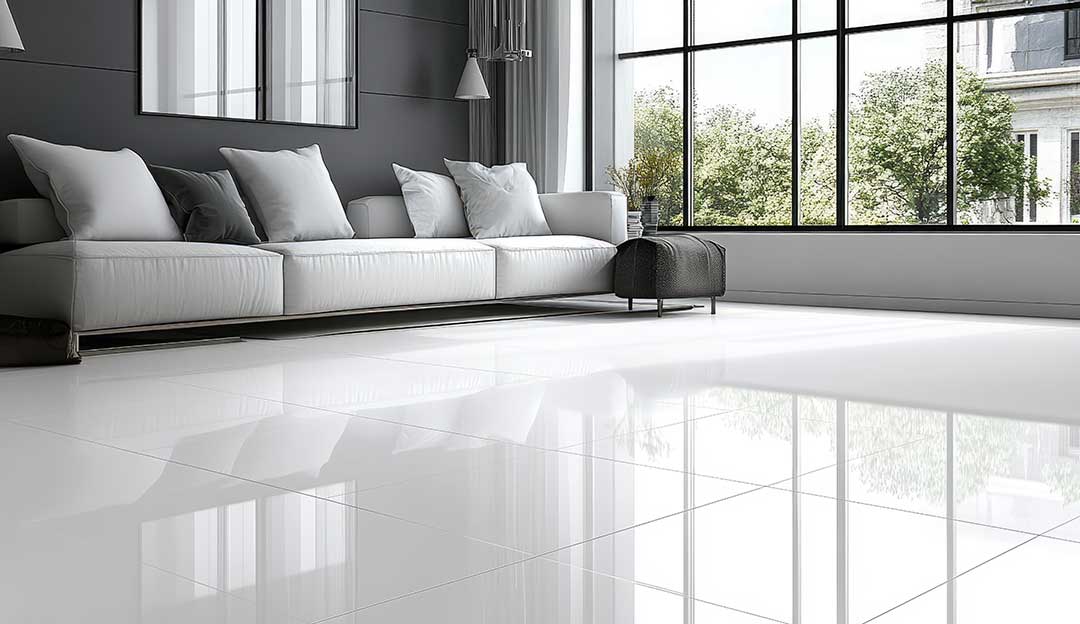
Some newer products are designed to improve moisture resistance, but labels and warranties should be read carefully. “Water-resistant” does not always mean the floor can tolerate standing water or a slow leak under an appliance.
Laminate may suit a kitchen with careful spill habits and good ventilation. It is less appropriate where plumbing leaks are common, the floor frequently becomes wet, or the installation cannot provide adequate protection at edges and transitions.
Are sheet vinyl and linoleum still practical?
Sheet vinyl remains useful because it has few seams, making it easier to protect against routine spills than many floating plank systems. It is also relatively comfortable, quiet, and simple to clean.
The quality of the subfloor matters greatly. Because sheet materials can show dents, ridges, and unevenness, preparation must be thorough. Repairs can also be more noticeable if a large section needs replacement.
Linoleum is a different material made primarily from natural ingredients. It can be durable and comfortable, but it needs appropriate maintenance and moisture control. It is not the same as sheet vinyl, and its care requirements may vary by finish and installation method.
How does Salem’s seasonal weather affect the decision?
Cold winters and wet shoulder seasons can bring moisture, grit, salt residue, and sand into kitchen areas through entryways and connected living spaces. That does not automatically rule out wood flooring, but it increases the value of a plan for managing tracked-in moisture.
A practical setup may include:
- A durable transition near frequently used entrances
- Mats that can absorb moisture without trapping it against the floor
- Regular sweeping to remove abrasive grit
- Prompt cleanup of melted snow and salt residue
- Adequate ventilation after mopping or major spills
Homes with basements, crawl spaces, or older subfloors may also need closer attention to moisture conditions before new flooring is installed. A floor covering cannot correct dampness rising from below.
Which flooring is easiest to maintain?
Tile and resilient flooring are generally the easiest kitchen surfaces to maintain. They tolerate routine sweeping and damp mopping, although grout, textured surfaces, and seams still require attention.
Hardwood is manageable but needs gentler cleaning methods and faster response to spills. Laminate often requires limited moisture during cleaning, and excessive water can reach the core through seams.
Maintenance also depends on the color and pattern. Very dark, glossy floors may show crumbs, dust, and footprints quickly. Highly varied patterns can conceal daily debris but may make scratches or installation inconsistencies harder to notice. A middle-range tone with a low-sheen finish is often a practical balance.
What is the best overall choice?
For many kitchens, porcelain tile offers the strongest combination of durability and moisture resistance, while luxury vinyl offers a more comfortable and forgiving surface. Hardwood is a reasonable choice when visual continuity matters and the household can manage spills carefully. Laminate may work in lower-risk kitchens when its moisture limitations are understood.
The final decision should account for the subfloor, appliance locations, entry patterns, cleaning habits, pets, children, and whether the flooring will continue into nearby rooms. Choosing a material based only on appearance can overlook the conditions that determine how well it will perform over time.