

 See My Latest Article on HelloNation
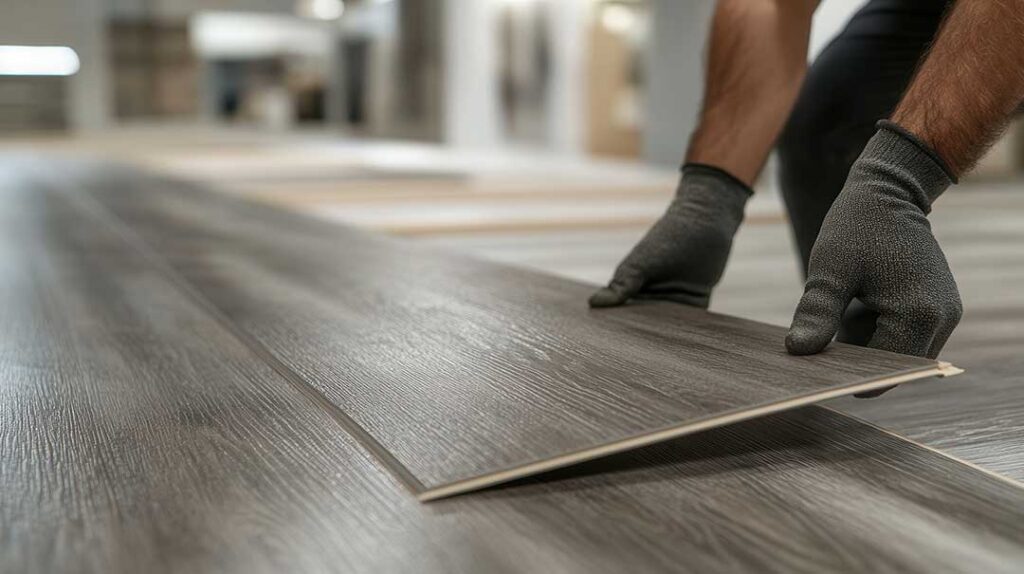
How Do Seasonal Changes in Salem, NH Affect Flooring Choices?
In Salem, NH, homeowners experience four distinct seasons, each bringing its own challenges. Flooring must handle cold, snowy winters and hot, humid summers. This climate affects which materials perform best across different rooms.
For example, wood can expand and contract due to humidity, sometimes leading to gaps or warping if not properly managed. Floors like tile and luxury vinyl resist temperature and moisture changes more consistently. Entryways and mudrooms benefit from resilient, water-resistant surfaces that can withstand melting snow and salt tracked in during the winter.
What Flooring Works Best for Kitchens?
Kitchens see daily spills, dropped utensils, and heavy foot traffic. A suitable floor balances water resistance, easy cleaning, and comfort underfoot. In most Salem homes, tile (ceramic or porcelain), luxury vinyl tile (LVT), or sheet vinyl are common choices. These surfaces resist moisture and stains and hold up against wear.
Hardwood can be attractive in open-concept spaces, but it’s more prone to damage from standing water and may require periodic refinishing. If using wood or engineered planks, ensure a durable finish is applied. Large-format tile with minimal grout can ease cleaning for especially busy households.
What Should Homeowners Consider for Living Rooms and Family Spaces?
Living rooms often serve as gathering spots and benefit from warmth and style. Many Salem residents favor solid or engineered hardwood for its classic appearance and ability to complement home décor. Rugs can add extra comfort and protect higher-traffic areas.
Those seeking something lower maintenance might look to luxury vinyl plank (LVP) or laminate with a textured, slip-resistant finish. Modern vinyl options realistically mimic wood and stone, offering scratch resistance—helpful for homes with pets or kids. Always consider door thresholds between living spaces and stairs, ensuring transition strips won't become trip hazards.
Which Flooring Options Suit Bedrooms?
Bedrooms typically see less moisture and foot traffic, making them suitable for softer, more comfortable flooring. Carpet remains a popular choice due to its warmth, sound-dampening qualities, and forgiving surface in the morning chill of winter. For allergy concerns, low-pile carpets or hard surfaces like engineered wood combined with area rugs work well.
If using hardwood or laminate in bedrooms, pay attention to underlayment that reduces noise. Bedrooms above unheated spaces, such as garages, may need extra insulation below to keep floors warmer.
What About Bathrooms, Laundry Rooms, and Basements?
Areas exposed to frequent moisture call for non-porous, durable materials. Bathrooms benefit from ceramic or porcelain tile, especially with textured finishes to reduce slips. Grout lines should be sealed to prevent moisture migration.
Laundry rooms and mudrooms in Salem often receive more abuse during winter. Luxury vinyl, sheet vinyl, and tile all perform well. These options resist puddling from wet boots and can be cleaned easily.
Basements require special attention due to potential dampness. Vinyl planks, tile, or sealed concrete are most suitable. If using carpeting, opt for synthetic, moisture-resistant materials and consider moisture barriers beneath.
Are There Flooring Choices That Support Energy Efficiency in Local Homes?
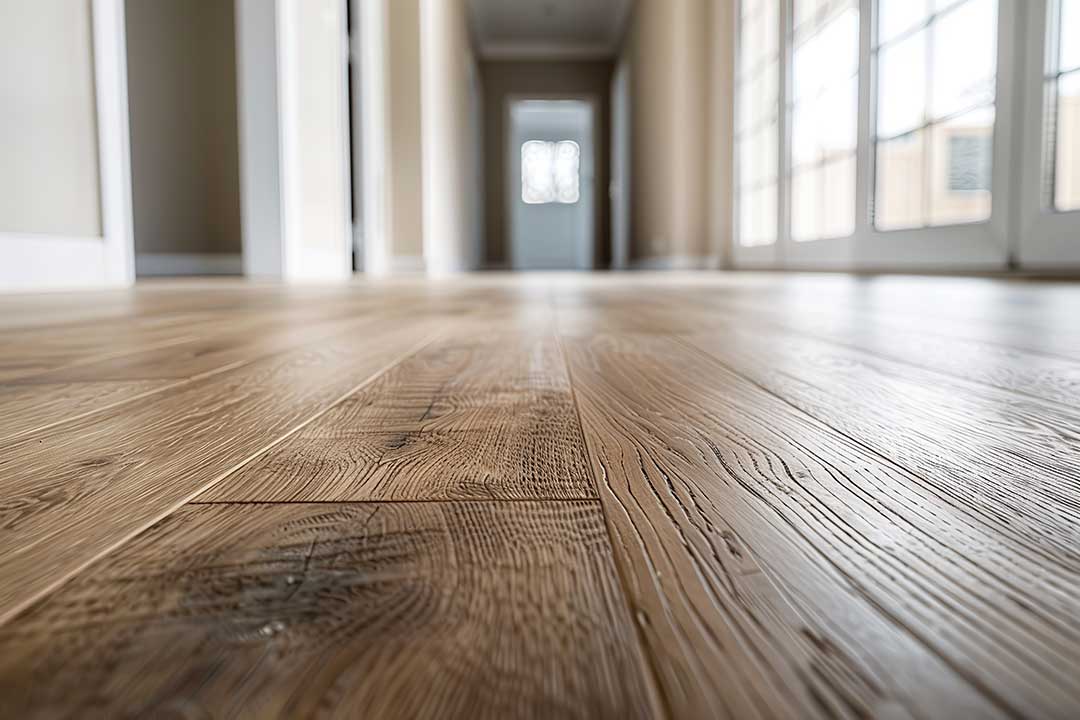
Flooring indirectly affects how much energy is needed to keep a home comfortable. Adding area rugs on wood or tile floors reduces heat loss in winter, especially in older Salem homes where drafts are common. Cork flooring, while less common, offers natural insulation properties. Thicker carpets with good pad also help with warmth and noise reduction.
For radiant heat systems, common in some local homes, most tile and some engineered floors are compatible. Always check that the flooring’s specifications allow for installation over heated subfloors.
How Should Families With Children or Pets Choose Flooring?
Durability and ease of cleaning become essential with children or pets. Luxury vinyl plank and laminate offer good protection against scratches, spills, and accidents, while still providing the look of real wood or stone.
Textured surfaces help prevent slips during energetic play. Carpet with stain-resistant technology can be a good choice for bedrooms or playrooms but requires frequent vacuuming to manage dust and allergens. Avoid high-gloss finishes or softwood species, which show scratches and dents more readily.
What Common Mistakes Do Homeowners Make When Choosing Flooring?
Some residents overlook how flooring transitions affect accessibility or safety, especially for people with mobility concerns. Others may underestimate the long-term impact of moisture or temperature changes, installing wood in basements or bathrooms where vinyl or tile perform better.
Underlayment is sometimes neglected, even though it can improve comfort, energy performance, and acoustics. Improper installation or choosing finishes not rated for specific rooms can also lead to early wear.
Are There Local Requirements or Considerations to Remember?
Flooring work in Salem homes, especially in multifamily buildings, may need to meet specific fire resistance or sound-mitigation requirements. Always check that selected materials comply with household needs and any relevant housing regulations. For older housing stock, consider checking for asbestos in old vinyl or tile before removal.