

 See My Latest Article on HelloNation
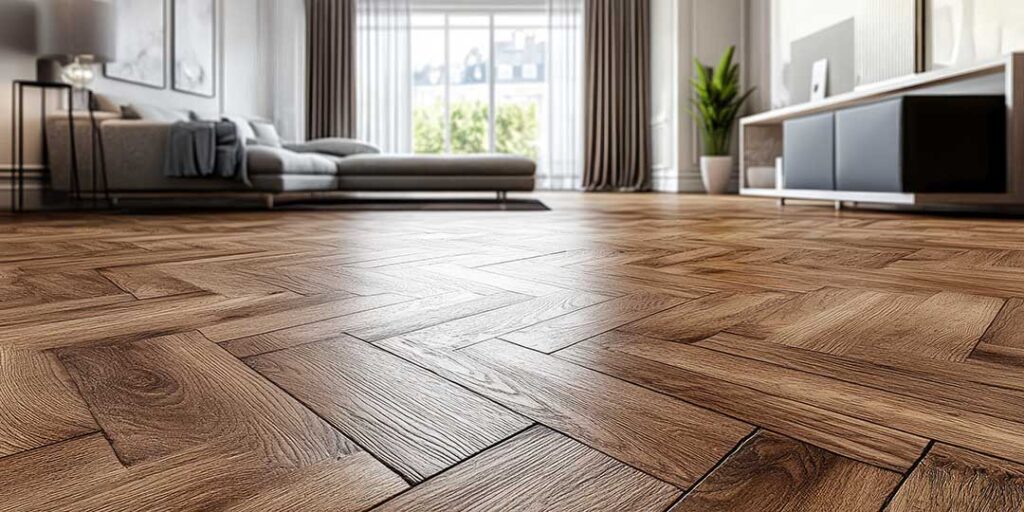
Which Flooring is More Durable in the Climate of Salem, NH?
Both hardwood and laminate floors stand up to household activity, but their long-term durability can differ, especially with New England’s weather swings.
Hardwood floors are made from solid wood and can last for decades—even generations—if properly maintained. However, hardwood is prone to expansion and contraction as temperatures and humidity shift through Salem’s seasons. Winter’s dry air may cause boards to shrink, while humid summers might lead to some swelling. Small gaps or cupping are possible, especially in older homes or where moisture control isn’t perfect.
Laminate flooring uses a composite wood base with a tough photographic layer on top, sealed under a clear wear layer. This design resists scratches and denting from pet claws or dropped items better than most softwood species. Laminate isn’t as affected by temperature or humidity, making it a reliable option for spaces where moisture can be a concern, like basements or three-season porches. However, water spills left unattended can cause swelling or warping since the core isn’t fully waterproof.
Which Option Is Easier to Maintain?
Routine cleaning and upkeep are generally simpler with laminate flooring.
Laminate floors can be swept or vacuumed regularly and need only the occasional damp mop. Since the surface is sealed, it resists most stains and dulling. Homeowners do have to avoid excessive water; laminate seams aren't waterproof, so puddles shouldn’t linger on the floor.
Hardwood requires a bit more care. Besides regular sweeping or vacuuming, residents should use wood-friendly cleaners and avoid too-wet mops. Over time, hardwood finishes can wear down, especially near entryways where New Hampshire grit and winter salt are tracked in. The benefit is that real wood can often be sanded and refinished rather than replaced—adding to its lifespan.
How Do Installation and Cost Compare?
Laminate typically offers greater installation flexibility and lower upfront costs for area households.
Laminate planks often snap together and can float over existing subfloors, including on concrete slabs found in basements or newer constructions. Many homeowners choose to install laminate themselves, although a professional touch can help with tricky spaces or transitions.
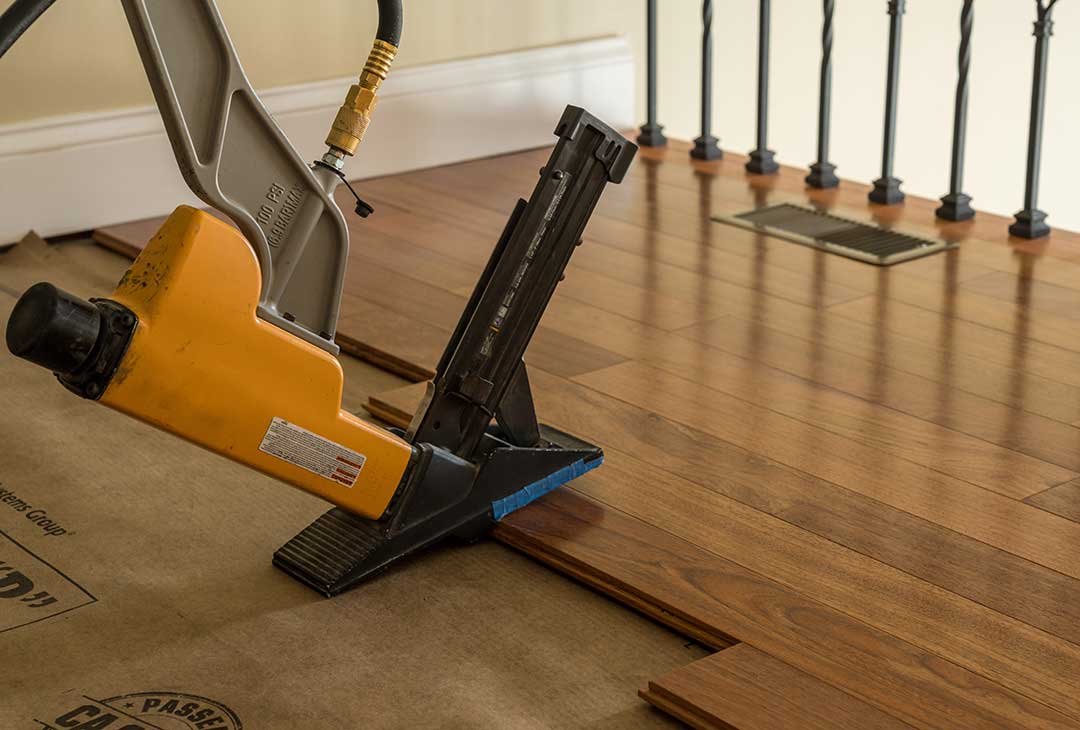
Hardwood usually requires more skill to install. Boards are nailed or stapled to a wood subfloor, making hardwood unsuitable for concrete basements without additional underlayment. Hardwood materials and installation labor both cost more than laminate, especially for premium wood types or wide planks.
Residents should also consider removal and disposal costs when replacing old floors, as heavy hardwood can be more labor-intensive to take up than laminate.
What About Appearance and Home Value?
Appearance remains one of the strongest draws for hardwood, but laminate offers convincing looks at a lower cost.
Hardwood features unique grain, authentic texture, and a classic character that’s hard to imitate. It adds a sense of permanence and natural warmth. Many homeowners feel this contributes to a higher resale value, especially when maintained well.
Laminate products have improved substantially and can now convincingly mimic species like oak, maple, or hickory. There’s a wide variety of patterns and shades. However, the well-trained eye may still spot the difference, especially by touch—laminate feels smoother and less organic underfoot.
In historic homes around the community, hardwood can preserve period charm. In busy households with kids or pets, laminate’s surface durability and easy care may outweigh the visual difference.
How Do These Floors Hold Up to Salem's Winters?
Flooring resilience to snow, slush, and mud is especially relevant in this region.
Hardwood is susceptible to moisture—snowy boots left on the floor can leave water spots or warp boards. Entry mats and prompt cleanups are key to protecting investment in hardwood, especially near entrances and high-traffic areas.
Laminate is less likely to show immediate damage from surface moisture. However, if water seeps into the seams and stands for long periods, swelling and bubbling can occur. Look for water-resistant laminate when installing near entryways or mudrooms, and still use rugs for absorption.
Are There Environmental or Health Considerations?
Many Salem residents ask which flooring is healthier or more eco-friendly.
Hardwood is a renewable material if harvested responsibly. Finishes and adhesives used during installation can emit odors or VOCs (volatile organic compounds), but modern low-VOC products are widely available. Hardwood is a good choice for allergy-prone households since there are no fibers to trap dust, provided regular cleaning is maintained.
Laminate is typically produced from wood byproducts and synthetic resins, with a printed decorative layer. Early types raised concerns over emissions, but most reputable brands now ensure products meet safety standards for indoor air quality. As with hardwood, dust and allergens remain on the surface and are easily removed.
Which Floor Suits Which Room?
Selecting between hardwood and laminate often depends on the specific room’s function.
- For living rooms, dens, and bedrooms: Both work well, but hardwood may be the long-term favorite for quieter areas or those meant to impress. Laminate is a solid option near children’s playrooms due to scratch resistance.
- For kitchens and entry halls: Laminate offers added protection against minor spills, but make sure to wipe up water quickly. Engineered wood (with better moisture tolerance) is an alternative. Use mats for either type.
- For basements: Laminate is generally the safer choice unless a specific engineered hardwood is rated for below-grade installations.
- For bathrooms and laundry rooms: Neither material is optimal, as both are vulnerable to water. Consider tile or vinyl for these spaces.
What Are Common Misconceptions?
Many assume hardwood is always the best investment, or that laminate is “fake” and flimsy. In practice, each material fits different local needs.
- Hardwood can require significant care in homes that see a lot of messy foot traffic or pets.
- Laminate isn’t waterproof, even if some sellers imply it is—it resists only surface moisture, not standing water.
Choosing the right flooring means weighing style, maintenance, activity level, and room location more than simply defaulting to one material.