

 See My Latest Article on HelloNation
What Flooring Is Most Resistant to Pet Damage?
Floors in homes with pets need to withstand scratching claws, muddy paws, fur, and the occasional accident. For Salem, NH households, the best choices usually balance durability, stain resistance, and ease of cleaning. Hard surface floors with protective coatings tend to perform best over time.
Common options with good pet resistance include:
- Porcelain or ceramic tile — Extremely scratch-resistant, impervious to moisture, and easy to disinfect. Tile can feel cold in winter, but is ideal near exterior doors or in mudrooms.
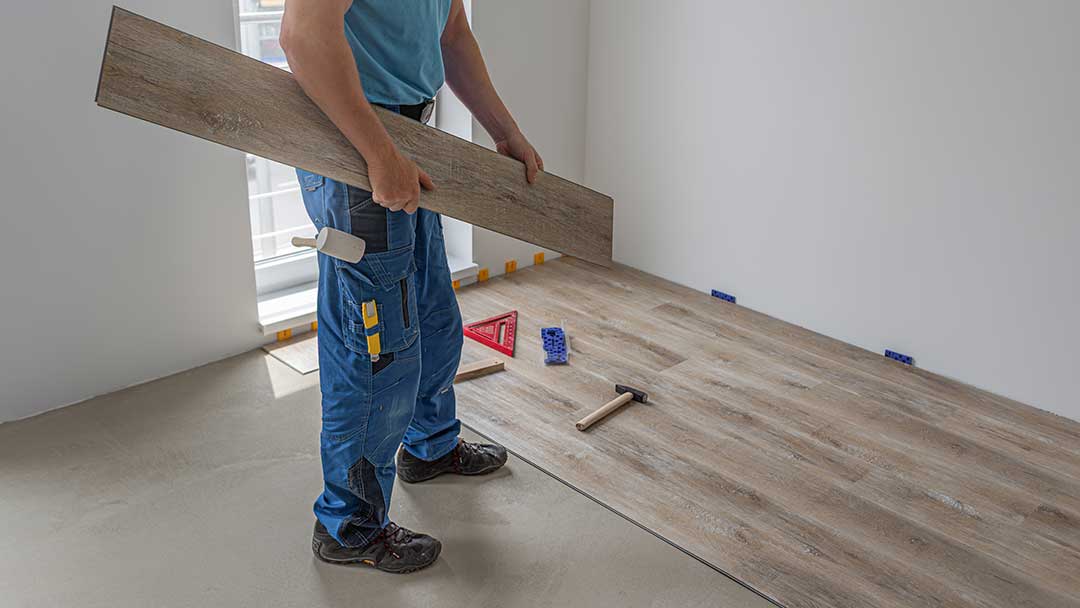
- Luxury vinyl plank (LVP) or tile (LVT) — Designed to look like wood or stone, these floors are waterproof, softer underfoot than traditional tiles, and highly resistant to scratches.
- Laminate flooring — Modern laminates with tough wear layers resist claw marks, though edges can be vulnerable if exposed to standing water.
- Sealed concrete — An option for basement rec rooms or garages, finished concrete stands up to most pet messes but can be hard and echoing.
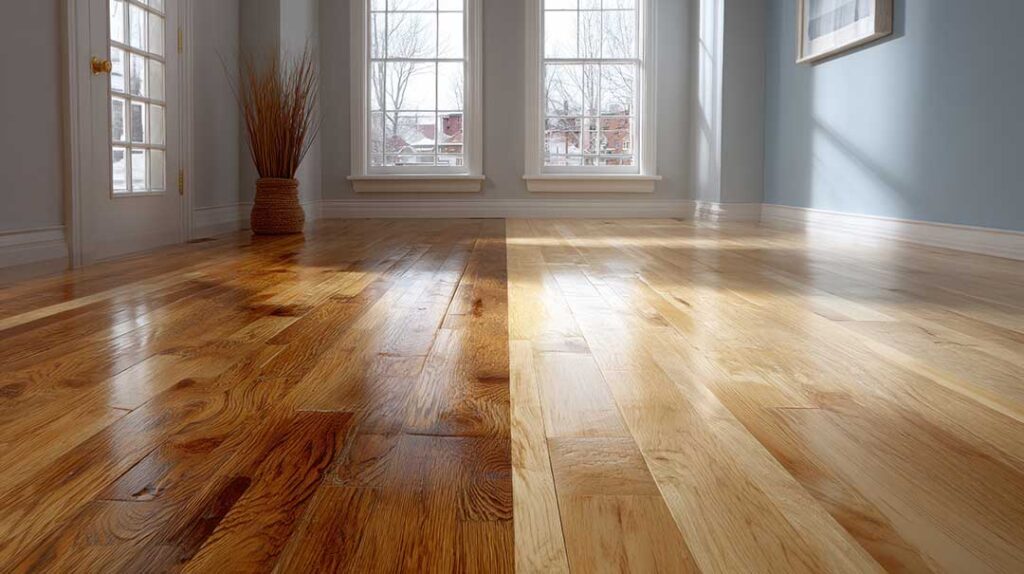
Solid hardwood and engineered wood are classic, but less practical for pets—especially large dogs—since they can scratch, dent, and soak up accidents if not well sealed.
How Do Common Flooring Materials Handle Pet Accidents and Spills?
Accidents are part of life with pets. How a floor handles liquid or messes makes a major difference for area households, especially during colder months when pets track in snow or rain.
- Tile: Grout lines can be harder to clean unless sealed, but tile surfaces don’t absorb liquid.
- LVP/LVT: Fully waterproof when installed correctly. Spills wipe up easily and odors do not linger.
- Laminate: Better than wood if cleaned up promptly, but moisture can swell or damage boards if it seeps into seams.
- Sealed concrete: Unaffected by puddles, but surface may show stains unless sealed regularly.
- Carpet: Highly vulnerable to staining, odors, and trapped hair. Pet-specific carpets with moisture barriers help, but most carpets require consistent cleaning.
Homes in the Salem area often experience muddy springs and snowy winters. Floors near entrances benefit from a water-resistant surface and easy clean-up.
Which Pet-Friendly Floors Are Easiest to Maintain?
Low-maintenance flooring saves ongoing work and reduces allergy risk from dander and fur. For Salem residents dealing with seasonal shedding or frequent outdoor activities, smoother, non-absorbent floors offer clear advantages.
- Hard-surface options (tile, LVP/LVT, and sealed concrete) sweep and mop clean quickly.
- Modern laminates resist dirt buildup, but textured or hand-scraped finishes can trap more debris.
- Carpet, even with stain-resistant treatments, requires regular vacuuming and deeper cleaning for long-haired pets or in multi-pet households.
If minimizing cleaning time is a priority, smooth, sealed surfaces are usually the simplest choice.
Are There Flooring Materials to Avoid in Pet-Friendly Homes?
Several types of flooring are less suited to homes with pets:
- Traditional hardwood is easily scratched and can warp if exposed to spills—especially in busy living rooms or hallways.
- Standard laminate, if not labeled as “water-resistant” or installed with moisture-proof underlayment, can separate at joints after frequent spills.
- Most carpets trap fur, odors, and allergens, and take longer to dry after cleaning.
- Natural stone, while hard, often needs annual sealing and some varieties stain or etch when pet urine is left too long.
Households with older pets or puppies should be especially cautious with bare hardwood, as deep pet stains are difficult to fully remove.
What Local Climate or Household Factors Should Salem Residents Consider?
The climate in the city brings damp winters, ice melt in entry ways, and episodes of heavy mud, especially in spring and fall. Floors exposed to outdoor shoes or pet activity should be chosen with these factors in mind. Mudrooms, entry halls, and basements benefit from waterproof, easy-to-clean surfaces.
Homes with radiant heat (common in local area renovations) will notice that tile and concrete can stay colder underfoot, but vinyl and laminate tend to feel warmer. Area rugs can make hard surfaces more comfortable for pets during winter, and using washable rugs can help protect main walkways.
Spacing between boards and seams is another consideration: tight-fitting, water-resistant flooring is better at preventing spills from reaching the subfloor, a concern in multi-level homes or basements.
How Can Surface Texture or Finish Help with Pet Safety and Comfort?
Slippery floors can be tough for aging pets or larger dogs, especially in energetic homes. Look for these features to boost traction and comfort:
- Slightly textured or embossed finishes on LVP/LVT and some tiles add grip without making cleaning difficult.
- Matte or low-gloss coatings tend to show fewer scratch marks than overly shiny floors.
- Softer surfaces like cork or padded vinyl give extra comfort for joints, but some may be more easily damaged.
Pet beds, mats, or runners at main entrance points help minimize wear and give pets a space to clean their paws.
What Are Common Myths or Overlooked Details?
Not every advertised “pet-friendly” floor is truly resistant to daily wear. LVP labeled as “waterproof” only prevents surface damage if seams are tightly joined during installation. Tile is often the gold standard for imperviousness, but grout must be sealed to avoid staining.
A common misconception is that higher-cost options are automatically more durable; sometimes, mid-priced, low-maintenance vinyl outperforms both upscale wood and basic laminate for active pet homes.
Carpet made with advanced pet barriers can delay stains, but no soft surface is maintenance-free with shedding or frequent accidents. Choosing the best flooring for pets in Salem means matching performance features to how, where, and how much pets move through your space—not just picking the hardest floor available.