

 See My Latest Article on HelloNation
Does Carpet or Hardwood Flooring Reduce Allergens in Salem, NH Homes?
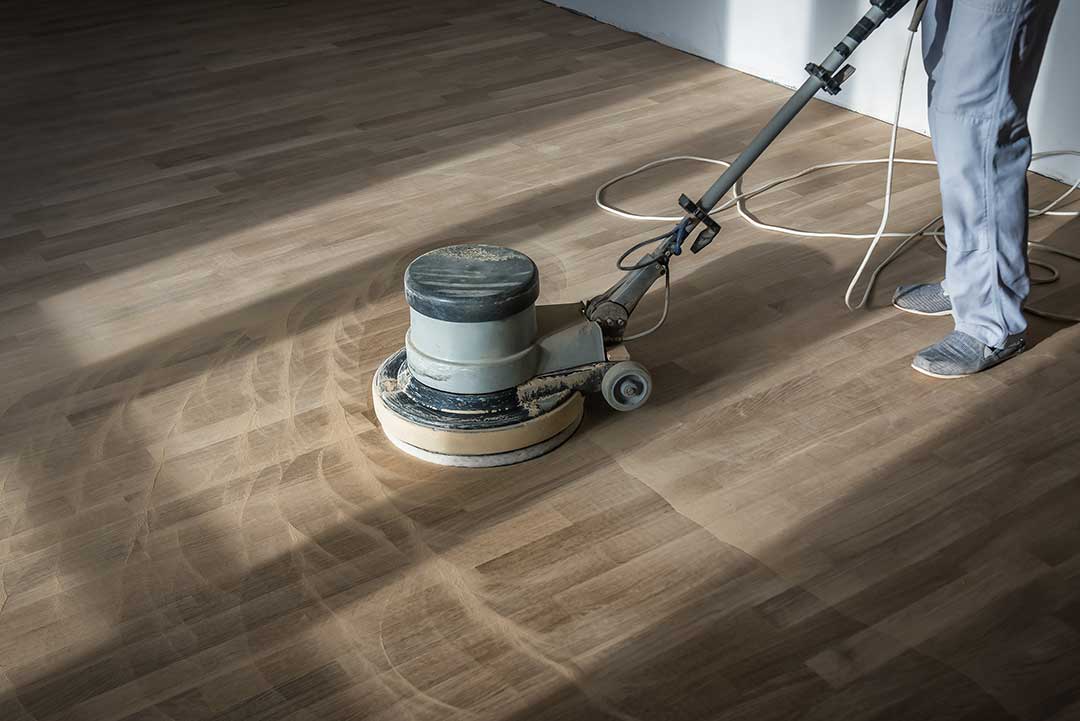
Hardwood floors typically collect and retain fewer allergens than carpet. Hard, smooth surfaces make it easier to remove dust, pollen, pet dander, and other irritants through routine cleaning, which can be especially helpful for allergy-prone residents in Salem, NH.
Carpet fibers, especially those in thick or plush carpets, can trap allergy triggers deep within the pile. Even with regular vacuuming, not everything gets removed. Over time, this can contribute to higher levels of indoor allergens, particularly during the spring and fall when pollen is more prevalent in the region.
Why Might Carpet Worsen Allergy Symptoms?
Carpet provides a comfortable surface but acts as a reservoir for dust mites, pollen, pet hair, and even mold spores in high-humidity environments. These allergens become airborne when walked on or disturbed, leading to increased exposure.
Typical challenges with carpet for people with allergies include:
- Dust mites thrive in carpet, feeding on shed skin cells and flourished by Salem's seasonal humidity swings.
- Carpets absorb moisture from rain, snow, and mud tracked inside, especially during late autumn and spring, which can promote mold or mildew in poorly ventilated areas.
- Standard vacuuming may not capture ultra-fine particles or allergens buried deep within the fibers.
While some carpets are labeled hypoallergenic, no carpet can be completely free of allergens if not cleaned diligently.
Is Hardwood Always the Allergy-Free Choice?
Hardwood flooring doesn’t harbor allergens the way carpet can, but cleanliness is the key factor. Dust, pet dander, and pollen still accumulate on hard surfaces, so frequent sweeping and damp mopping are necessary to minimize exposure—especially after opening windows during Salem’s pollen-heavy seasons.
A few considerations:
- Sealed hardwood floors resist dust penetration, making routine cleaning more effective.
- Engineered wood or laminate can offer similar surface benefits, though they may handle moisture differently.
- Scratches or cracks in hardwood boards can trap small amounts of debris, so regular upkeep is helpful for long-term air quality.
Hardwood is generally a better surface for minimizing allergens, but it isn’t entirely maintenance-free.
What About Area Rugs? Do They Affect Indoor Allergies?
Area rugs on top of hardwood or tile offer warmth and noise reduction, but like carpets, they can trap particulates. However, removable rugs can be washed or taken outside for beating, making them somewhat easier to keep allergen-free than wall-to-wall carpet.
Tips for using area rugs with allergies:
- Choose smaller, easily washable rugs.
- Wash rugs frequently, especially during high pollen and shedding seasons.
- Avoid deep-pile or shag-style rugs, as these are harder to clean thoroughly.
How Do Local Factors in Salem, NH Influence Flooring Choice for Allergy Concerns?
Salem’s climate brings damp springs, humid summers, and slushy winters—all of which add to indoor moisture and potential allergen levels. Homes here often rely on HVAC systems that can stir up dust and pollen. Foot traffic from outdoors often brings in extra soil and organic debris.
Key considerations for local residents:
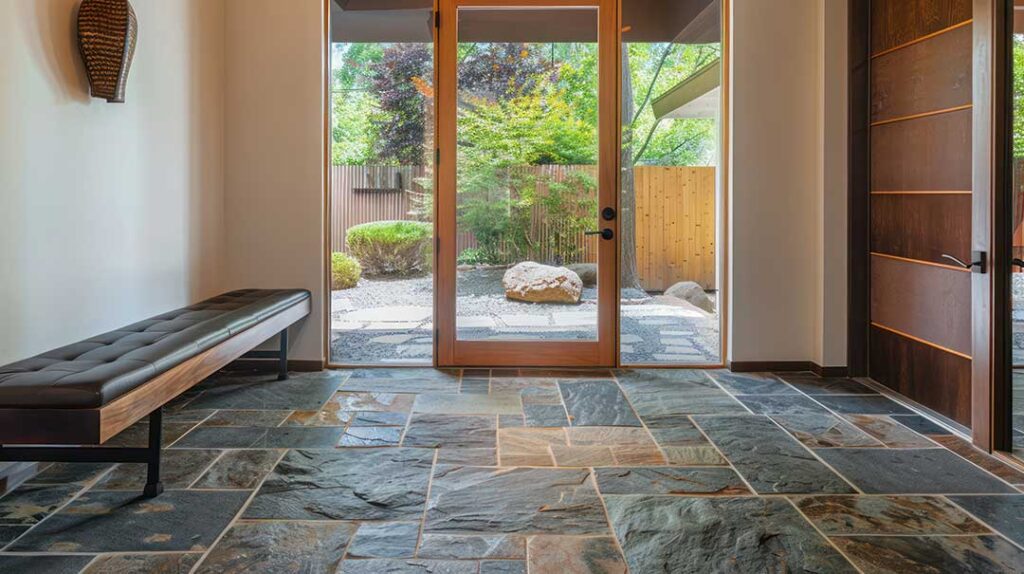
- Mudrooms, entryways, and other high-traffic zones benefit from hard flooring that can handle wet shoes and quick cleaning.
- Basements are especially prone to excess moisture; carpet in these below-grade spaces can encourage mold unless the area is very dry.
- Local pollen counts can be very high in spring and fall, making allergen management essential for sensitive individuals.
Can Cleaning Methods Make a Difference Regardless of Flooring Type?
Routine, targeted cleaning reduces allergy triggers no matter the flooring. However, the effectiveness of cleaning differs by surface:
- Hard surfaces: Frequent sweeping and mopping with damp (not wet) cloths removes most dust and pollen. Use a vacuum designed for hard floors for deeper cleaning.
- Carpet: High-efficiency particulate air (HEPA) filter vacuums help trap finer particles. Professional steam cleaning may reduce deep-set allergens, but must be done carefully to avoid excess moisture.
- Regularly replace or wash HVAC filters and consider using high-quality doormats to reduce outdoor allergens tracked inside.
Are There Misconceptions About Carpet and Allergies?
A common myth is that all-new carpet immediately worsens allergies. While new carpet can temporarily off-gas, the bigger concern for most allergy sufferers is how well the floor is kept clean after it’s installed.
Another misconception is that hardwood automatically means zero allergens. In truth, pollen, dust, and mold spores settle on any surface—they just don’t cling as stubbornly to hardwood. Whichever flooring is chosen, regular, thorough cleaning remains the best defense against indoor allergens for Salem households.