

 See My Latest Article on HelloNation
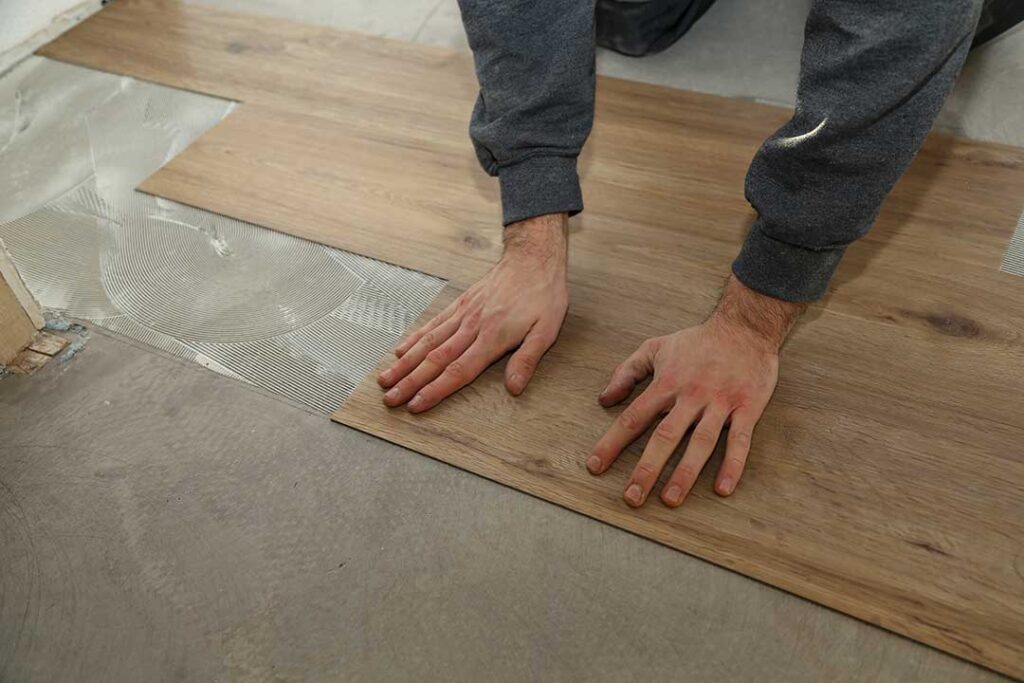
Eco-friendly flooring is not defined by a single material or certification. A better choice usually depends on the product’s full life cycle: how it is made, how long it lasts, what chemicals it releases indoors, how much waste installation creates, and what happens when it is removed.
For residents of Salem, NH, flooring also needs to handle seasonal moisture, tracked-in salt and grit, temperature changes, and the practical demands of older homes, newer construction, and busy households. A material that looks sustainable on paper may not be a good environmental choice if it fails early or requires frequent replacement.
What makes flooring eco-friendly?
The most sustainable flooring is generally durable, repairable, responsibly manufactured, and appropriate for the room where it will be installed.
Several factors matter:
- Long service life: A floor that lasts for decades may have a lower environmental impact than a material made from recycled content but replaced every few years.
- Responsible raw materials: Renewable, recycled, reclaimed, or locally available materials can reduce demand for newly extracted resources.
- Lower emissions: Flooring, adhesives, sealers, finishes, and underlayments can affect indoor air quality.
- Efficient installation: Products that create little cutting waste or can be installed without large amounts of adhesive may reduce waste and chemical exposure.
- End-of-life options: Some flooring can be reused, recycled, refinished, or separated from other materials more easily than others.
“Natural,” “green,” and “eco-friendly” are not automatically reliable descriptions. Look for specific information rather than relying on broad marketing language.
Which flooring materials are considered more sustainable?
Several flooring categories can be environmentally responsible, but each has limitations.
Reclaimed or responsibly sourced wood
Reclaimed wood reuses material that already exists, which can reduce demand for newly harvested timber. New wood flooring can also be a reasonable choice when it comes from responsibly managed forests and is designed for long service.
Wood is often repairable and refinishable, but it is not ideal for every room. Entry areas, bathrooms, and below-grade spaces may expose it to moisture that can cause warping, staining, or mold-related problems. A floor that needs early replacement may lose much of its environmental advantage.
Bamboo
Bamboo grows quickly and is often presented as a renewable flooring material. Its environmental performance depends on how it is harvested, transported, manufactured, and finished.
Quality varies. Some bamboo flooring products use adhesives and finishes that can contribute to indoor emissions, while lower-quality products may wear or scratch more quickly. Product-specific documentation is more useful than the word “bamboo” alone.
Cork
Cork is harvested from the bark of cork oak trees without cutting down the tree. It provides some cushioning and can feel warmer and quieter underfoot than harder surfaces.
Cork can be sensitive to prolonged moisture and may require careful sealing. In a home where wet shoes, snow, or spills are common, the installation details and maintenance routine matter as much as the material itself.
Linoleum
True linoleum is made primarily from materials such as linseed oil, wood flour, cork dust, and natural mineral fillers. It is different from vinyl flooring, even though the two are sometimes confused.
Linoleum can be durable and repairable, but it still requires suitable subfloor preparation and moisture control. It may also need periodic maintenance to preserve its surface.
Recycled-content tile and resilient flooring
Tile may contain recycled glass, stone, or other materials. Recycled-content resilient flooring is also available. These products can reduce the need for virgin raw materials, but recycled content is only one part of the environmental picture.
Tile can be long-lasting and moisture-resistant, although its manufacture is energy-intensive and installation may involve cement-based materials. Some resilient products are easier to replace in sections, which can reduce waste when only a small area is damaged.
Carpet and carpet tile
Carpet can provide warmth, sound absorption, and comfort, but it requires careful evaluation. Important details include fiber content, recycled material, backing, durability, indoor-air-quality testing, and the ability to recycle or reclaim the product.
Carpet tile may create less installation waste than broadloom carpet because damaged sections can sometimes be replaced individually. However, carpet is more vulnerable to moisture, salt residue, and trapped soil than many hard-surface alternatives. Entryways and lower levels deserve particular attention in a snowy climate.
Are low-VOC floors safer and more sustainable?
Low-VOC flooring can help reduce indoor emissions, but “low VOC” does not describe the entire environmental or health profile of a product.
VOCs, or volatile organic compounds, may come from flooring, adhesives, finishes, coatings, and composite wood components. A product labeled “no VOC” may still contain other volatile chemicals, and the adhesive used during installation may matter as much as the flooring itself.
When comparing products, look for:
- Third-party low-emission certifications
- Clear information about adhesives and underlayments
- Formaldehyde compliance for composite wood products
- Recommended ventilation periods after installation
- Installation instructions that limit unnecessary adhesive use
A low-emission floor that fails quickly is not automatically the most sustainable choice. Indoor air quality, durability, and maintenance should be considered together.
What do environmental certifications actually tell you?
Certifications are useful when they measure a specific attribute, but no single label answers every question.
Some programs evaluate indoor emissions. Others address recycled content, responsible sourcing, chemical ingredients, or overall environmental impacts. An Environmental Product Declaration, commonly called an EPD, provides standardized information about impacts such as energy use, emissions, resource extraction, and waste across a product’s life cycle.
An EPD is not necessarily a statement that one floor is environmentally superior to every other floor. It is a transparency document that allows more informed comparisons.
Also distinguish between:
- Recycled content: How much of the product comes from reused material
- Recyclability: Whether the product can actually be processed into something new
- Durability: How long the product is expected to perform
- Low emissions: How much chemical off-gassing occurs indoors
- Responsible sourcing: How raw materials are harvested or obtained
A product can perform well in one category and poorly in another.
How should Salem households choose flooring for local conditions?
The best material depends on the room and the household’s habits. In Salem, NH, winter moisture and grit can be especially relevant near entrances, mudrooms, stairs, and frequently used hallways.
Practical questions include:
- Will melting snow regularly reach the floor?
- Can wet footwear be removed before entering?
- Is the room below grade or vulnerable to dampness?
- Does the household need sound reduction or extra cushioning?
- Will pets, children, or heavy furniture create unusual wear?
- Can the floor be repaired instead of replaced if one area is damaged?
- Is the subfloor dry, level, and structurally suitable?
Using a highly moisture-sensitive material in a wet entryway is not a sustainable decision simply because the material is renewable. Matching the flooring to the room is one of the most effective ways to extend its life.
How can flooring waste be reduced?
Waste reduction begins before installation. Accurate measurements, thoughtful layout planning, and selecting a product available in repairable formats can reduce discarded material.
Keep leftover flooring for future repairs when storage conditions allow. Ask whether old flooring can be reused or accepted through an appropriate recycling program, but do not assume every product with recycled content is recyclable after removal. Adhesive residue, mixed backing materials, and contamination can make recycling difficult.
Maintenance also affects sustainability. Promptly cleaning abrasive grit, using suitable mats, avoiding excessive water, and following the manufacturer’s care instructions can help flooring last longer. Refinishing or replacing only damaged sections is often preferable to removing an otherwise serviceable floor.
The most responsible choice is usually not the flooring with the strongest environmental claim. It is the material with credible documentation, low unnecessary emissions, a realistic maintenance plan, and enough durability to remain in service for many years.