

 See My Latest Article on HelloNation
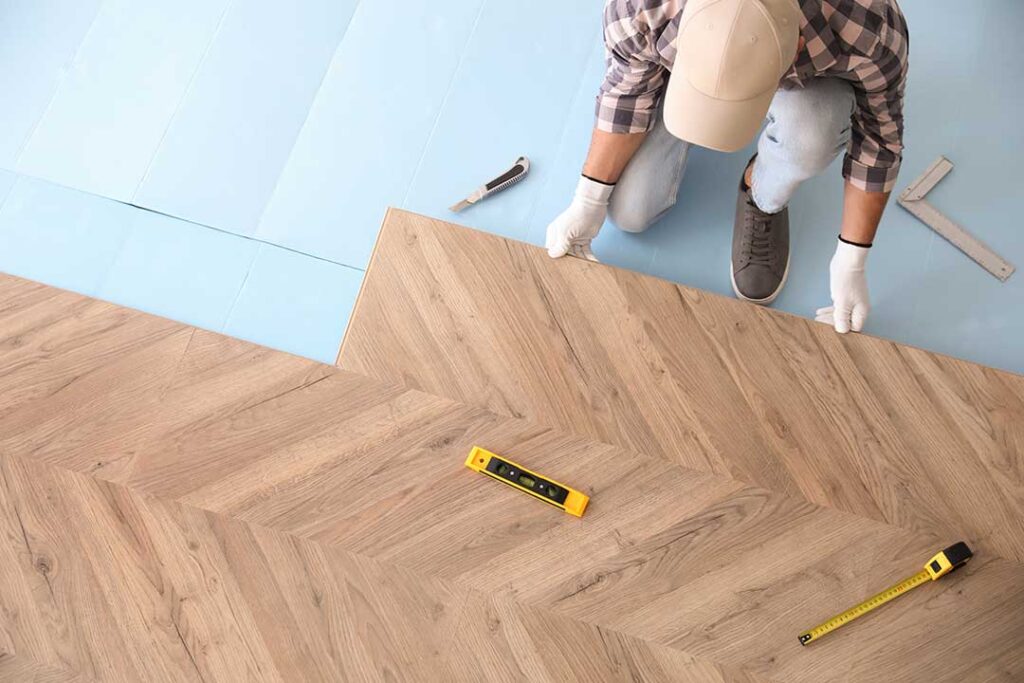
High-traffic floors need to withstand repeated walking, tracked-in grit, spills, furniture movement, and regular cleaning without becoming difficult to maintain. For many households, the most durable choices are porcelain tile, luxury vinyl flooring, and well-finished concrete, while hardwood and laminate can also perform well when selected and maintained carefully.
What makes a floor durable in a high-traffic area?
Durability is more than resistance to scratches. A practical high-traffic floor should handle several types of wear:
- Abrasion from shoes, pet nails, and fine grit
- Moisture near entrances, kitchens, and bathrooms
- Impact from dropped objects and moved furniture
- Frequent sweeping, vacuuming, and damp mopping
- Fading from sunlight
- Minor subfloor movement and seasonal changes in indoor humidity
The most suitable material depends on the room. An entryway that receives wet footwear needs different protection than a hallway exposed mainly to foot traffic. A kitchen floor must balance toughness with comfort and cleanability, while a basement may need greater moisture resistance.
In Salem, NH, seasonal conditions make entry areas especially demanding. Snow, road salt, sand, and moisture can be carried indoors during winter, while spring and fall bring mud and damp debris. Flooring near exterior doors benefits from a surface that is easy to clean and a transition area that helps capture grit before it spreads.
Is porcelain tile the most durable flooring option?
Porcelain tile is among the hardest and most wear-resistant flooring choices for residential use. It resists scratches, stains, water, and fading, making it well suited to mudrooms, entryways, kitchens, bathrooms, and busy hallways.
Porcelain is made from dense clay fired at high temperatures. Properly installed tile can last for decades, and the surface usually does not need refinishing. Large-format tile can also reduce the number of grout joints, although the joints that remain still require routine cleaning.
Its main limitations are comfort and installation. Tile feels hard underfoot and may be less comfortable for people who stand for long periods. Dropped dishes and glass are more likely to break on it. The subfloor must be stable and properly prepared, because movement beneath the tile can lead to cracked grout or tile.
For homes with frequent winter foot traffic, textured or matte tile may provide better traction than a highly polished surface. However, very rough textures can hold dirt and salt residue, so cleanability should be considered along with slip resistance.
Does luxury vinyl flooring hold up to heavy use?
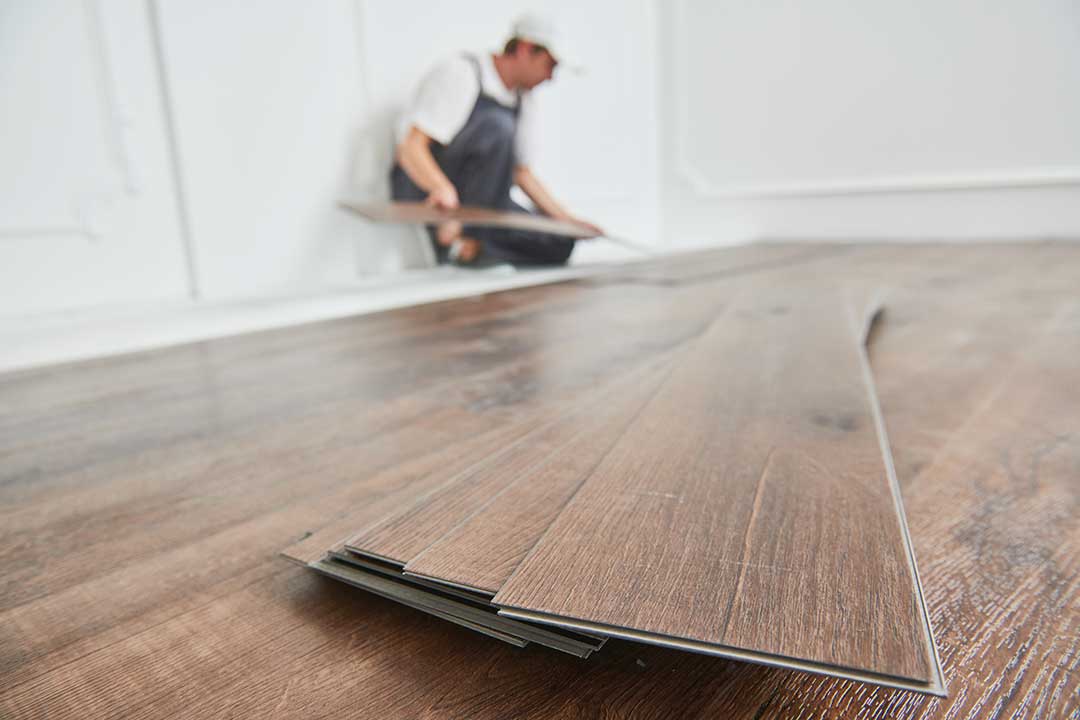
High-quality luxury vinyl flooring is a strong practical choice for busy households because it combines water resistance, resilience, and relatively simple maintenance. It is commonly used in kitchens, hallways, family rooms, laundry areas, and finished lower-level spaces.
Vinyl flooring has a slightly softer surface than tile, which can make it more comfortable for standing and less likely to break dishes. Many products are designed to resist scratches and wear, but performance varies significantly by construction and surface protection. A thicker wear layer generally offers better resistance to repeated use, though installation quality and household habits still matter.
Luxury vinyl is not indestructible. Sharp grit can scratch the surface, heavy furniture can leave dents, and dragging appliances may cause damage. Felt pads, entry mats, and regular removal of sand and salt can extend its appearance.
Water-resistant flooring should not automatically be treated as waterproof under every condition. Moisture can still reach the subfloor through seams, edges, damaged areas, or improper installation. Standing water should be removed promptly, particularly over wood-based subfloors.
Is hardwood durable enough for high-traffic rooms?
Hardwood can perform well in busy areas, but its durability depends on the species, finish, plank construction, and maintenance routine. A durable finish helps protect the wood from surface wear, while harder species generally resist dents better than softer ones.
Hardwood has a major advantage: many solid wood floors can be professionally refinished when the surface eventually becomes worn. That can restore the appearance without replacing the entire floor. Engineered wood may also be suitable for high-traffic rooms, but its ability to be refinished depends on the thickness of its real wood wear layer.
Moisture is the main concern. Salt and melting snow should not be allowed to remain on wood flooring, and wet mopping can cause swelling or finish damage. Entry mats should have a breathable backing that will not trap moisture against the floor.
Wood can also respond to seasonal humidity changes by expanding, contracting, or developing small gaps. Stable indoor humidity and careful cleaning reduce these effects. Hardwood is often a good choice for living spaces and hallways, but it requires more attention than tile or vinyl near exterior doors.
Can laminate flooring withstand heavy foot traffic?
Laminate flooring can be durable in dry, busy areas, especially when it has a strong wear surface and is installed over a properly prepared subfloor. It resists many everyday scratches and is available in designs that resemble wood or stone.
The primary weakness of laminate is moisture. Water that reaches the seams or edges may cause swelling, and damaged sections are not usually refinished in the same way as hardwood. For this reason, laminate may be better suited to bedrooms, living rooms, and interior hallways than to areas where wet footwear, spills, or standing moisture are common.
Routine sweeping is especially useful because sand and salt can act like abrasives under footwear. Protective pads under furniture and careful handling of wheeled items also help limit surface damage.
What flooring works best for an entryway?
For an entryway, porcelain tile and water-resistant resilient flooring are usually the most practical options. They tolerate wet footwear and are easier to clean after winter weather than many wood-based materials.
A durable entry system should include more than the flooring itself:
- Use a coarse outdoor mat followed by an absorbent indoor mat.
- Keep footwear off the main walking surface when possible.
- Remove salt and grit frequently rather than allowing them to be ground into the floor.
- Choose transitions that do not create a tripping edge.
- Inspect seams and perimeter areas for moisture intrusion.
A small tiled zone near the door can protect hardwood or other flooring farther into the home. This approach may be useful in older houses, split-level layouts, and homes where the main entrance opens directly into a living area.
Which flooring is easiest to maintain?
Porcelain tile and luxury vinyl generally require the least specialized maintenance in high-traffic rooms. Both can usually be swept or vacuumed regularly and damp-cleaned with a suitable product. Tile grout may require more attention than the tile surface itself.
Hardwood requires more careful moisture control and should not be saturated during cleaning. Laminate also benefits from low-moisture cleaning and quick attention to spills.
Regardless of material, the most effective maintenance practice is frequent removal of abrasive debris. Small particles of sand, salt, and gravel can cause more visible wear than ordinary foot traffic because they are repeatedly pressed and moved across the surface.
How should Salem households choose among durable flooring options?
The best material depends on the type of traffic rather than traffic volume alone. Consider:
- Wet and gritty traffic: porcelain tile or water-resistant resilient flooring
- Busy kitchens and family rooms: luxury vinyl, porcelain tile, or well-finished hardwood
- Formal living areas: hardwood or engineered wood with appropriate protection
- Interior hallways: hardwood, engineered wood, laminate, or luxury vinyl
- Finished lower levels: flooring selected for the room’s moisture conditions, with the subfloor evaluated first
- Homes with pets: scratch-resistant surfaces, secure rugs, and frequent debris removal
Subfloor condition matters just as much as the finished material. A durable surface installed over an uneven, damp, or moving base may fail prematurely. Before choosing flooring, check for moisture, squeaks, uneven areas, and previous water damage.
The most durable floor is not always the hardest one. A material that resists water but feels comfortable, can be cleaned easily, and suits the room’s conditions may provide better long-term performance than a harder surface used in the wrong location.